10 min. read
The AI Assist: Co-designing for real community connection
Methods
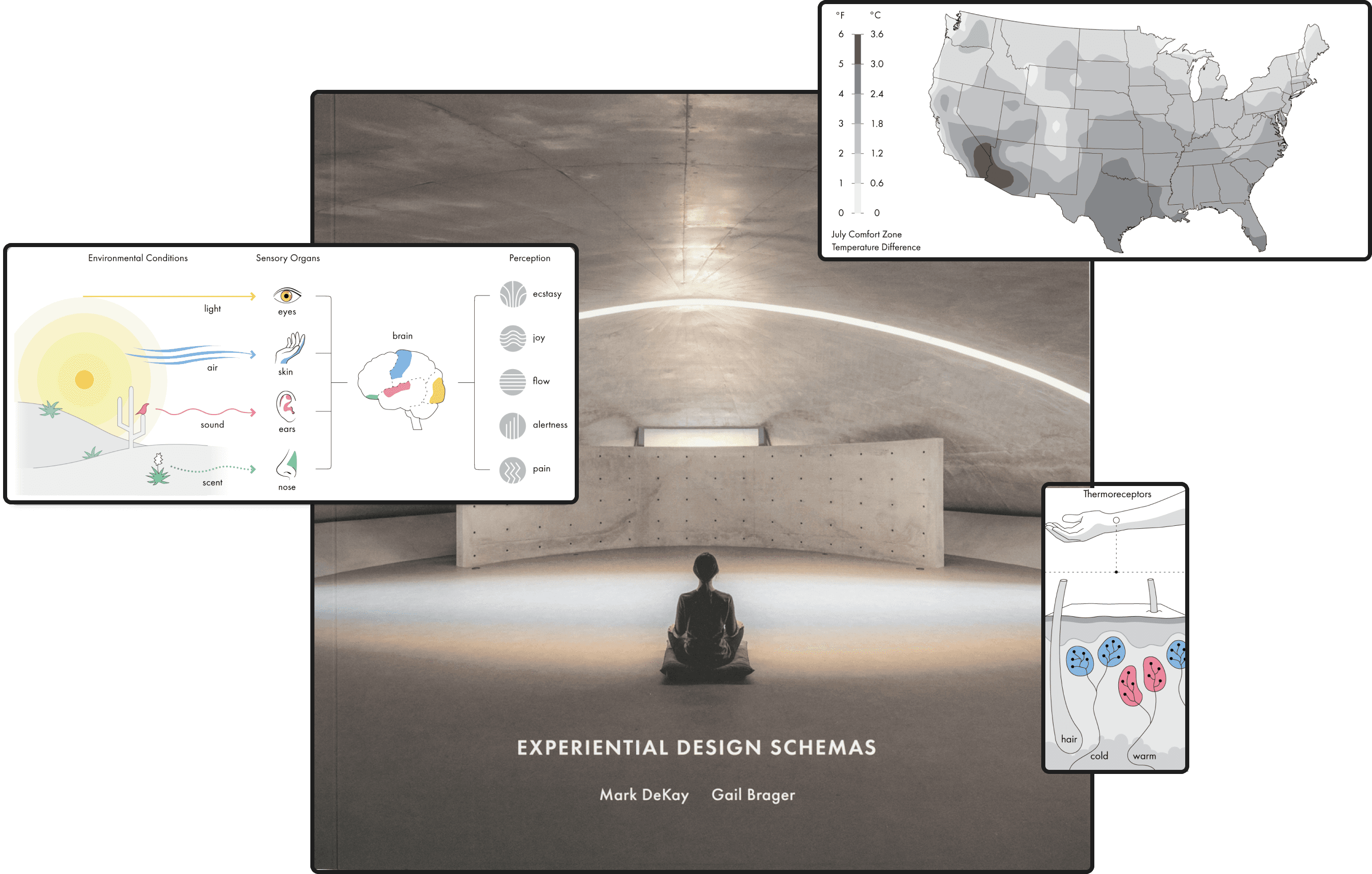
UXR
Literature review
Competitive analysis
User interviews
Participatory design
Usability testing
Concept testing
At-a-Glance
Through multi-method research and design, I helped build a 0 to 1 version of an AI Social Media start-up’s Community experience.
Includes:
Baseline Community section of app
Differentiator features
Strategic plan
Completed in-person and remote research and design, including planning and running a co-design workshop in LA.
Note: Client anonymized, and some details have been modified or omitted for confidentiality.
My role
UX Researcher
Meeting lead
Asset management
Timeline
6 months, 2025
Team
Team of 5 UXD +R
Context
MHCID Capstone with CA Start-up
Tools
Figma, Google Suite, Hubspot, UserTesting, Asana
A client came to us with a problem...Social media kinda sucks
This company was building a new social media app, one that was supposed to create real, lasting community. They had great north star ideals and vision for the future, but needed help with the now.
Right from zero to one as their app was just being made.
The client wanted to build fast
The project was scoped for a 6 months of UX R&D, but with a dev team on standby and a demo on the way, there was pressure to ship features without research.
But spending months creating on-demand, non-research backed features was a big risk.
One strategic quick win
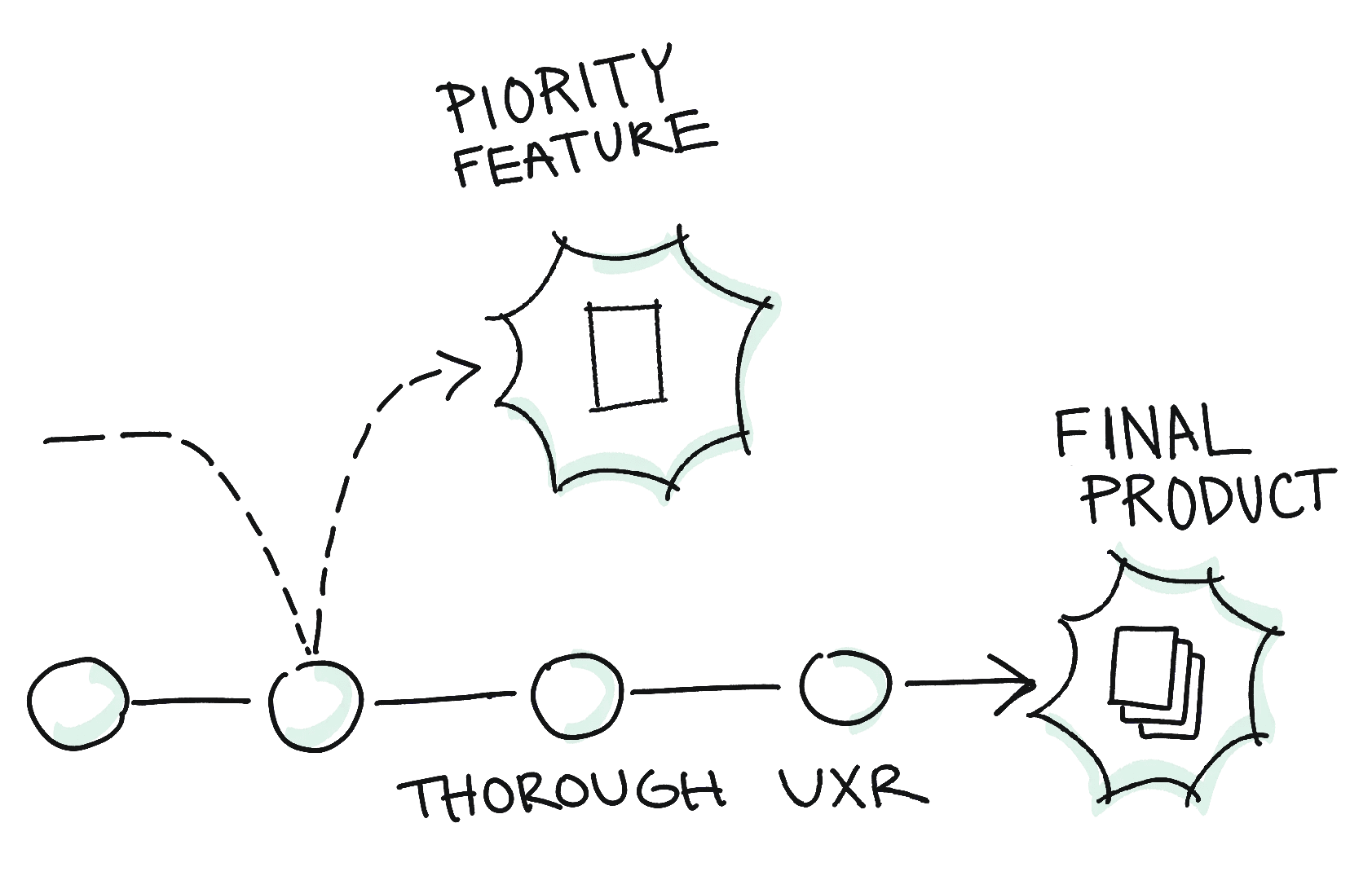
As a start-up, the client had 3 UXR needs
Base functionality
Community section not yet designed
Differentiator
Social media's a saturated market. Needed something to stand out

Strategic plan
Research-backed clarity moving forward
Base functionality
Fully designed community section
Differentiator
Explorative, unique value add
Strategic plan
Strategy report outlining north-star vision
Let's talk project details
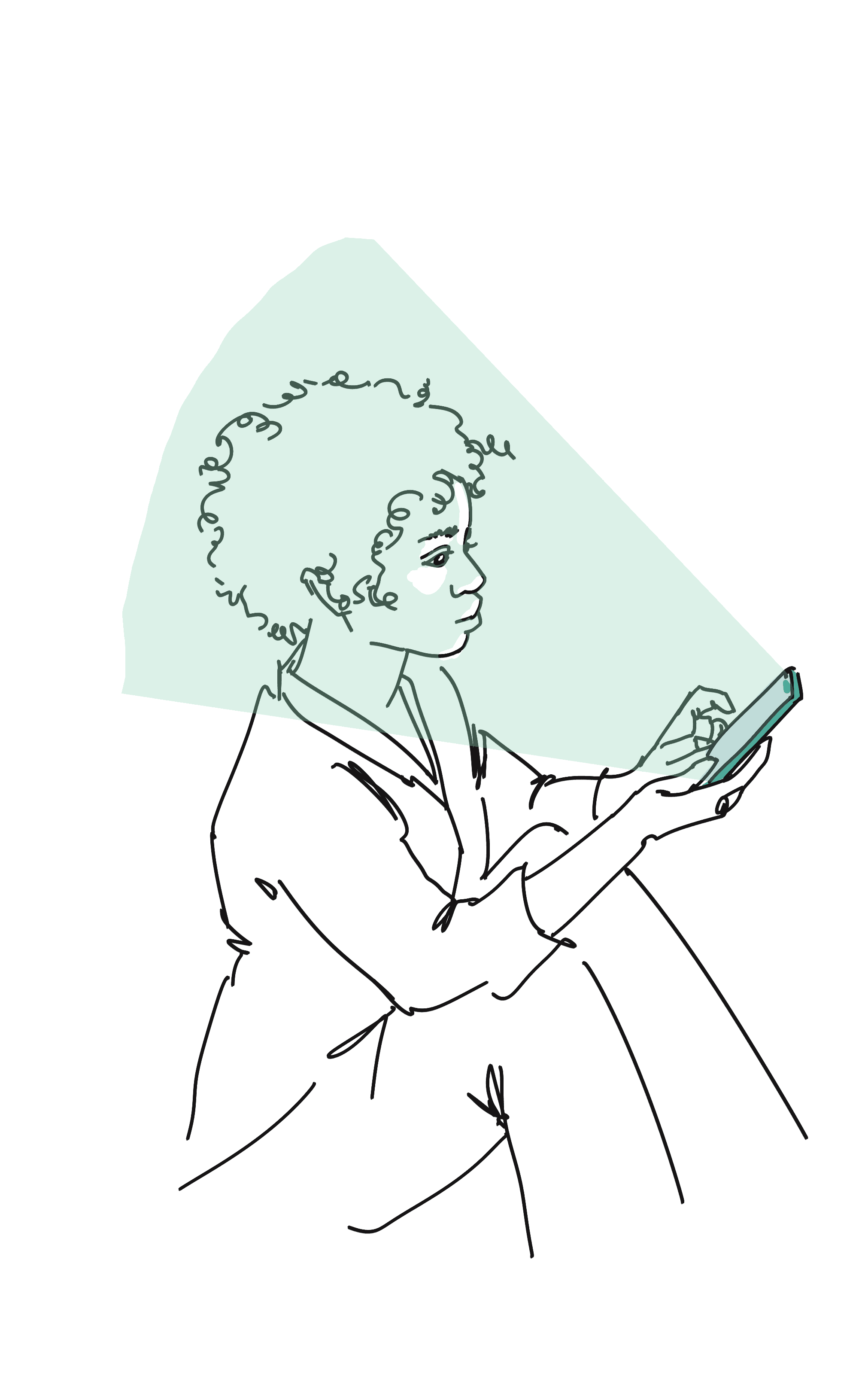
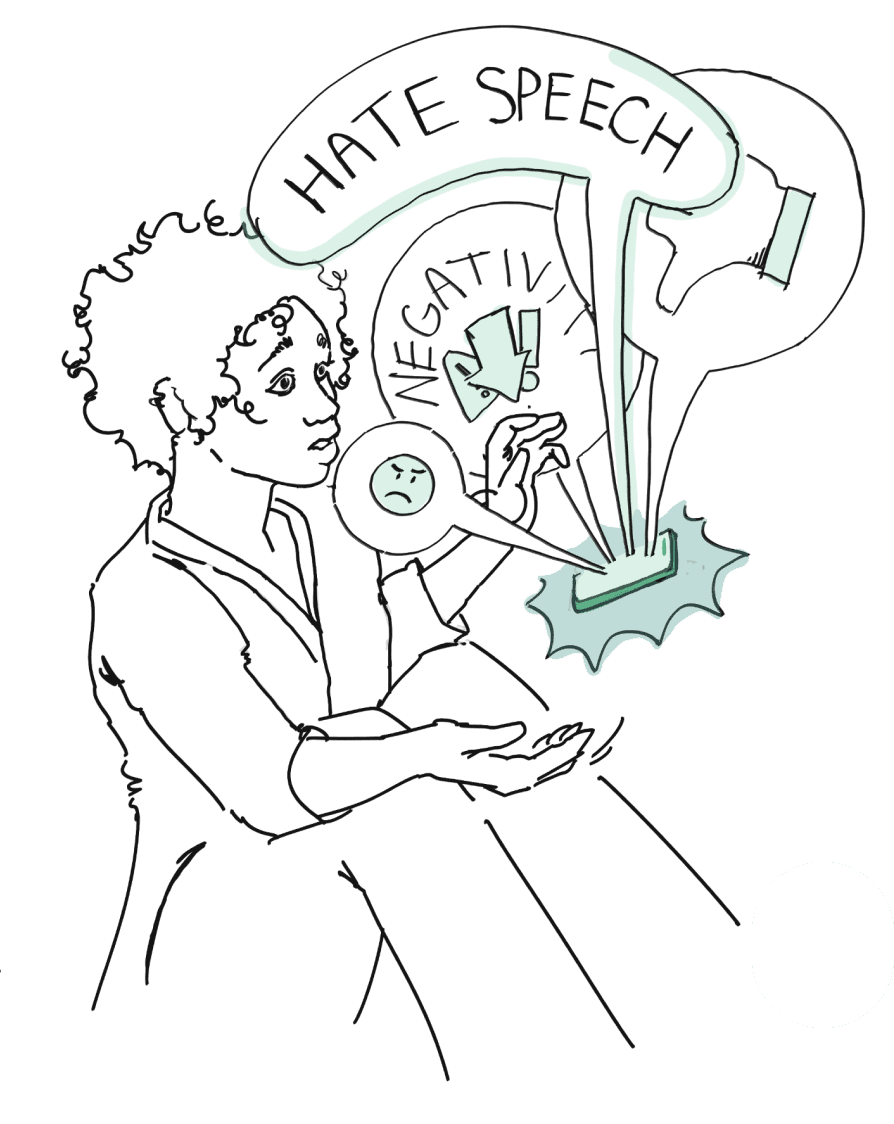
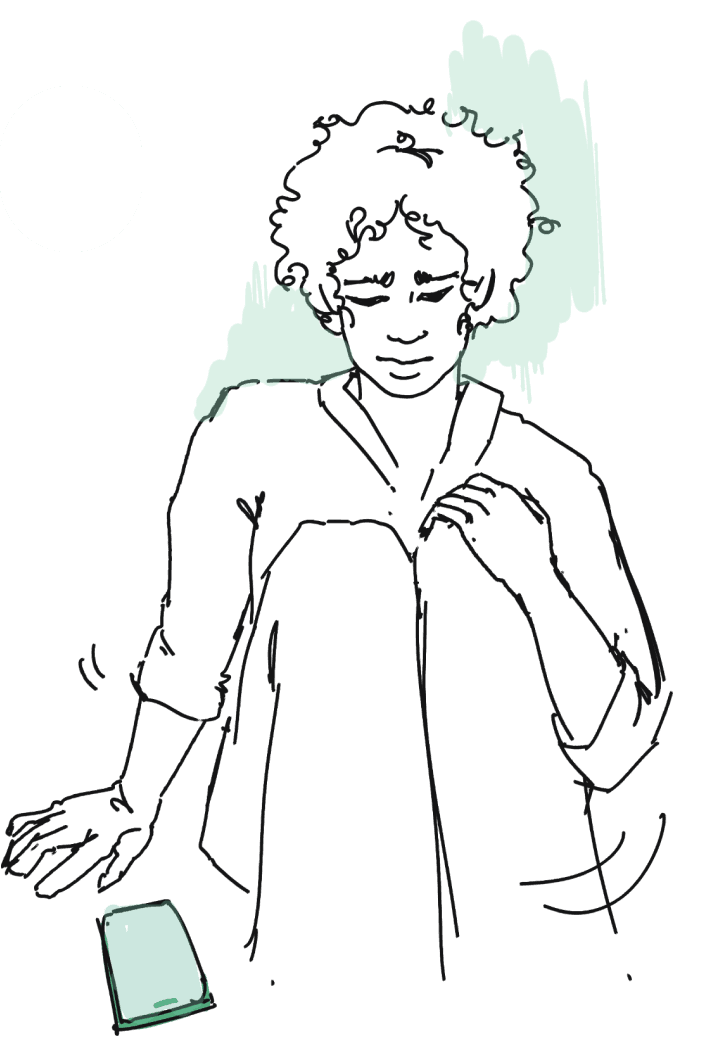
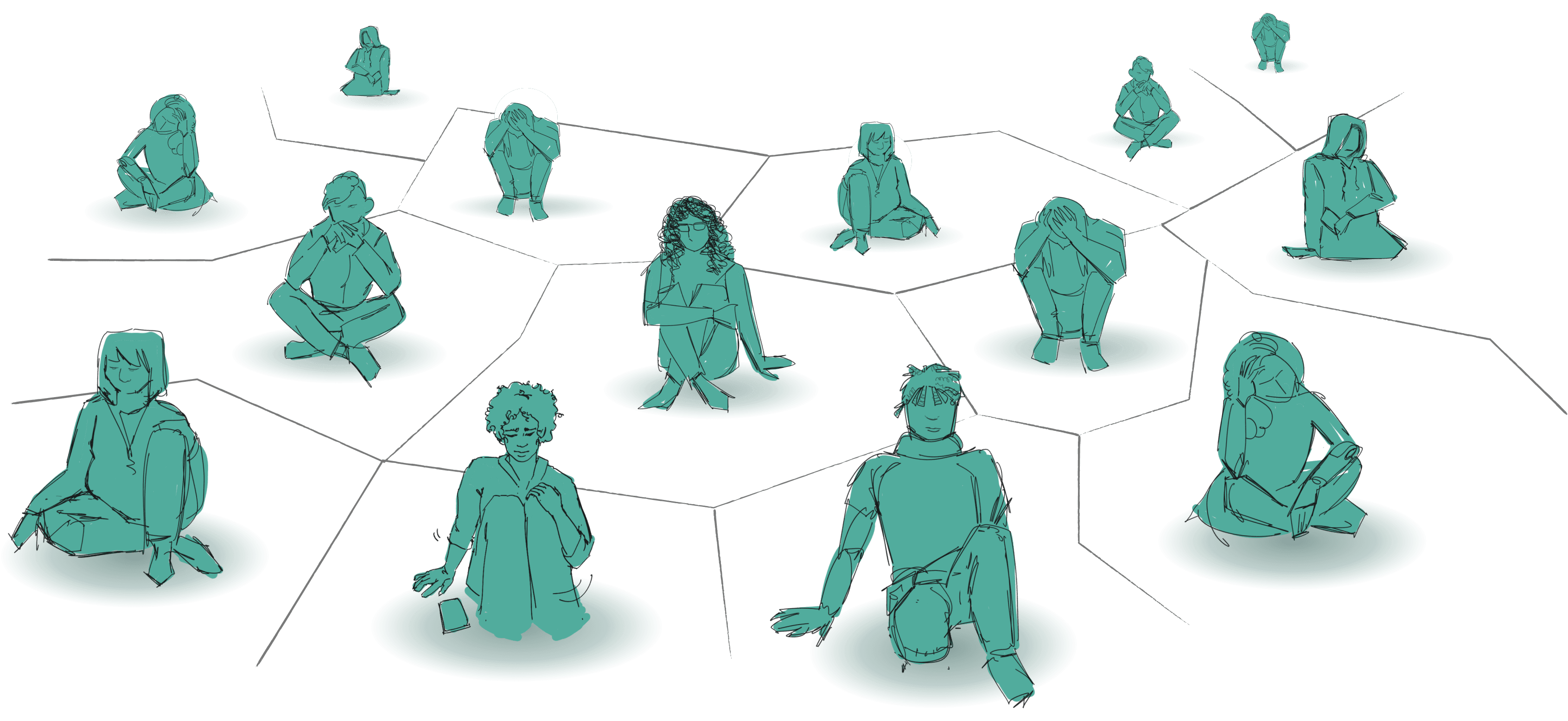
Back to this: Social media kinda sucks, and it’s failing to provide meaningful connection
Current social media fosters
This led to the question
How might we design a digital space that helps underrepresented individuals build meaningful community connections?
The overall approach
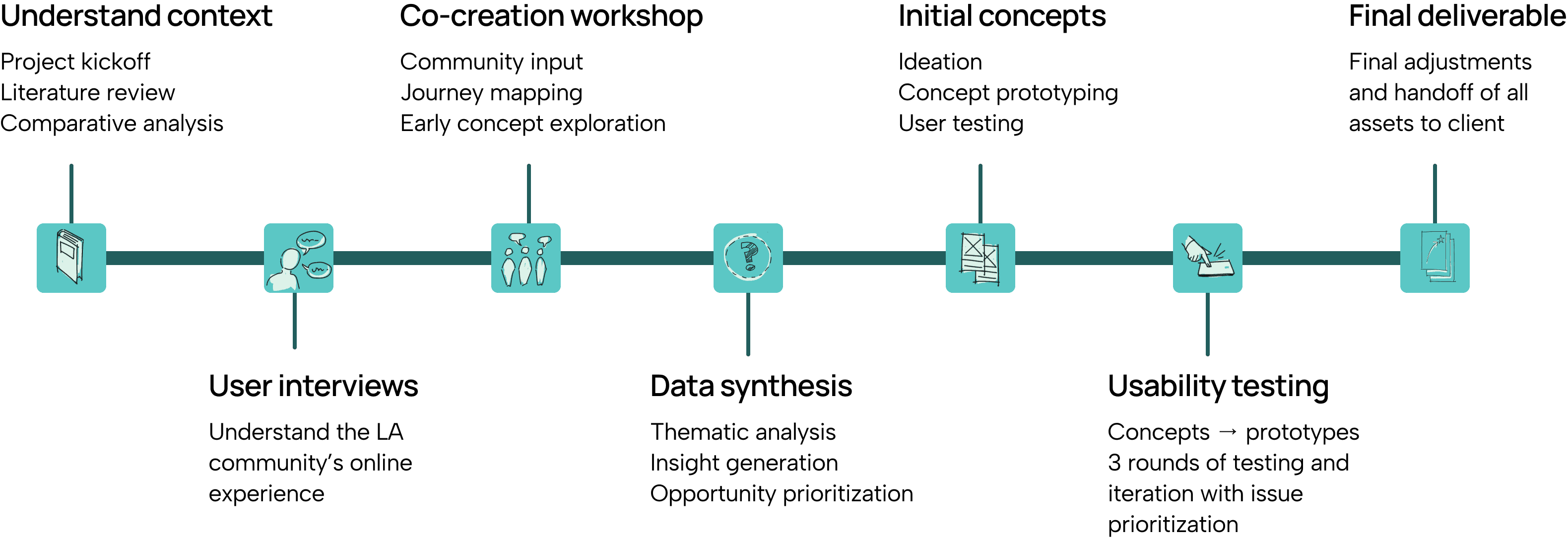
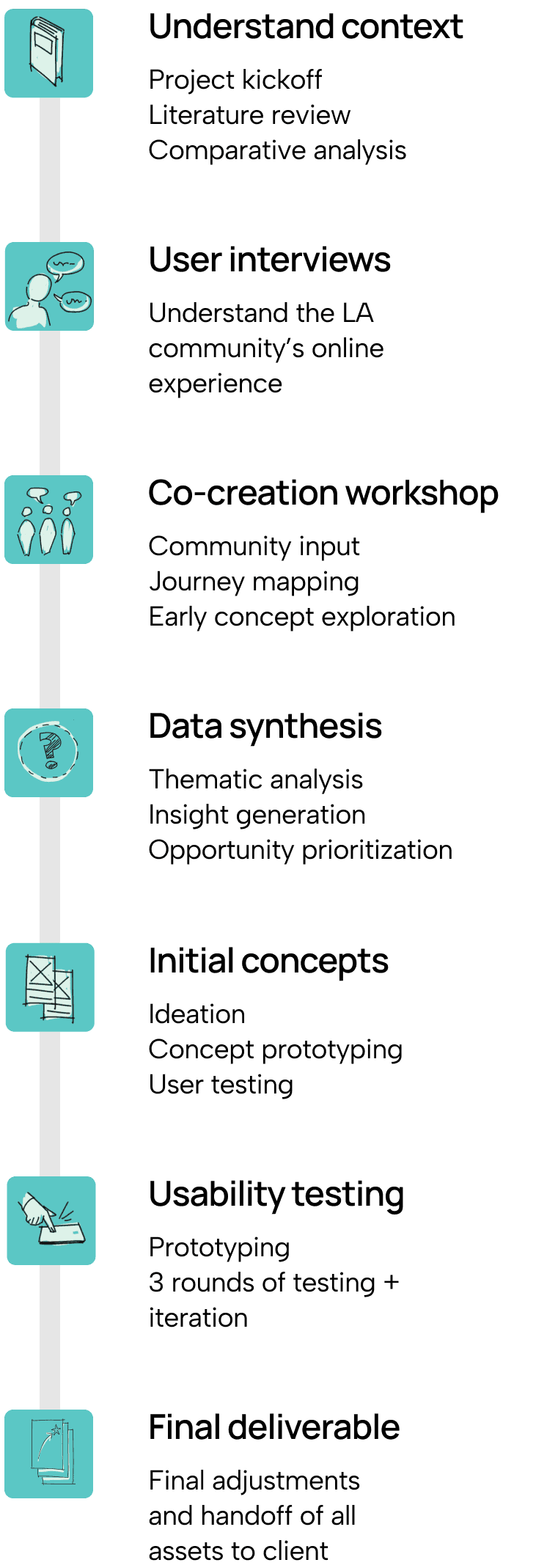
After contextual research, it was time to listen
Ten 1-hour interviews
Goal: Understand how participants define connection, build community, and experience social media
I took direct part in the majority of interviews, and prepared the transcripts and data for group analysis
Participant requirements
LA resident, age 18-35
Participates in online or in-person or community, or wants to
Prioritized: those most harmed in online spaces, (eg) minorities and members of the LGBTQ+ community
Focus areas for building connection
Through thorough thematic interview analysis, I pinpointed key focus areas for building connection
Belonging

Trust
Interaction
This was used to inform the focus for co-creation workshop
These areas informed the flow of the co-creation workshop
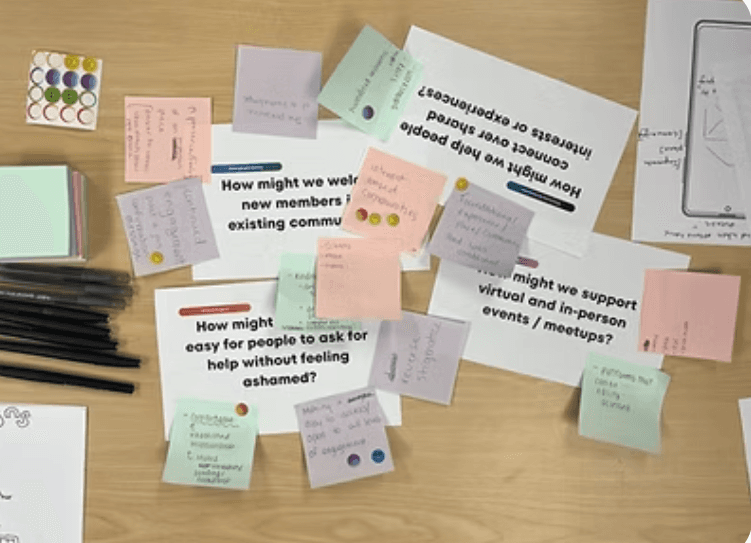
After ideation, concept prototyping and testing lead to the features below
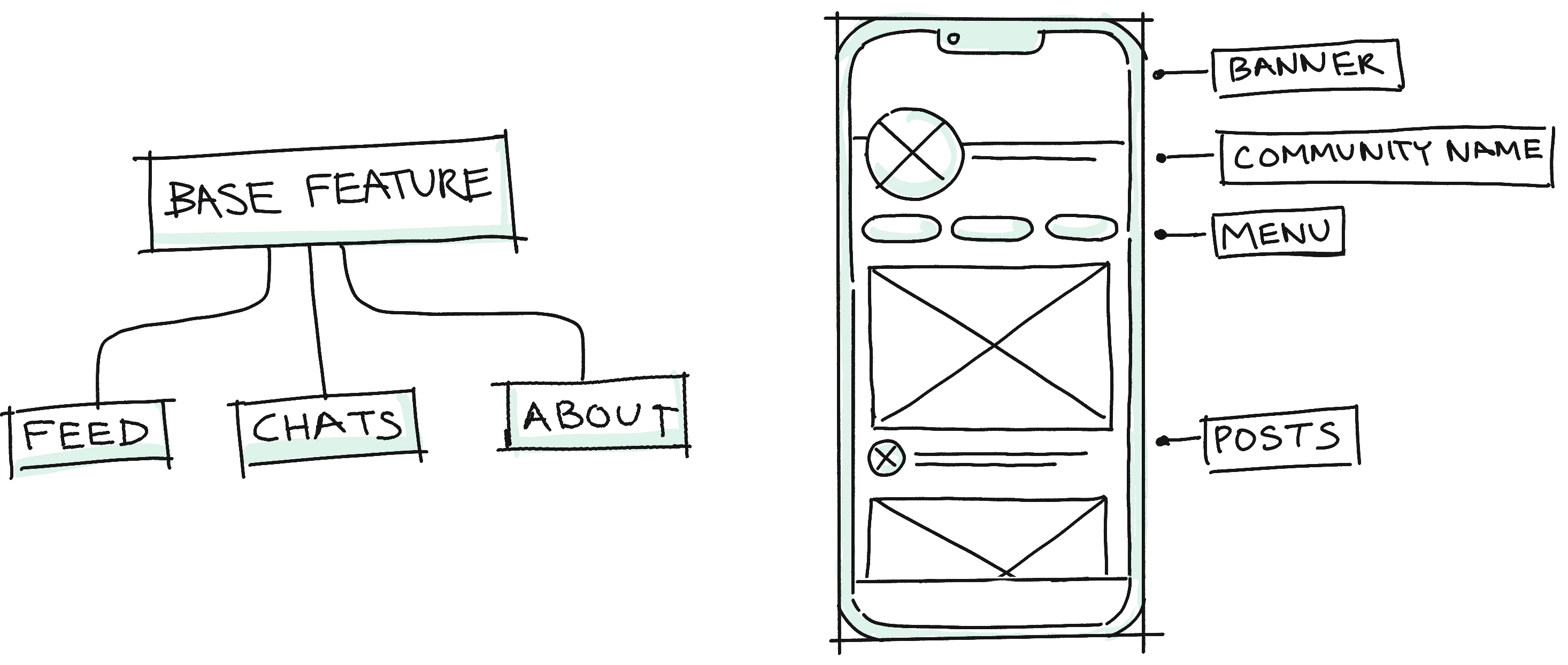
Baseline feature
Prototyped features
Baseline functions
I established baseline features for the Community section…

…But something was missing
There was a mismatch between intent and behavior:
Users said they want to engage, but hesitated at the first step of engagement
Why? Because their core needs weren't being met
Before engaging with an online community, users look for cues to feel welcomed. If those are not present, they do not continue.

Lack of trust
Users feel lack of trust when there is no evidence of community activity. If a community is not transparent or easy to parse, they do not feel safe enough to engage.
Poor interaction guidance
Initially, users prefer low-commitment, guided interactions. Requiring too much right as they join, or conversely, not providing any guidance is mentally overloading and reduces conversion
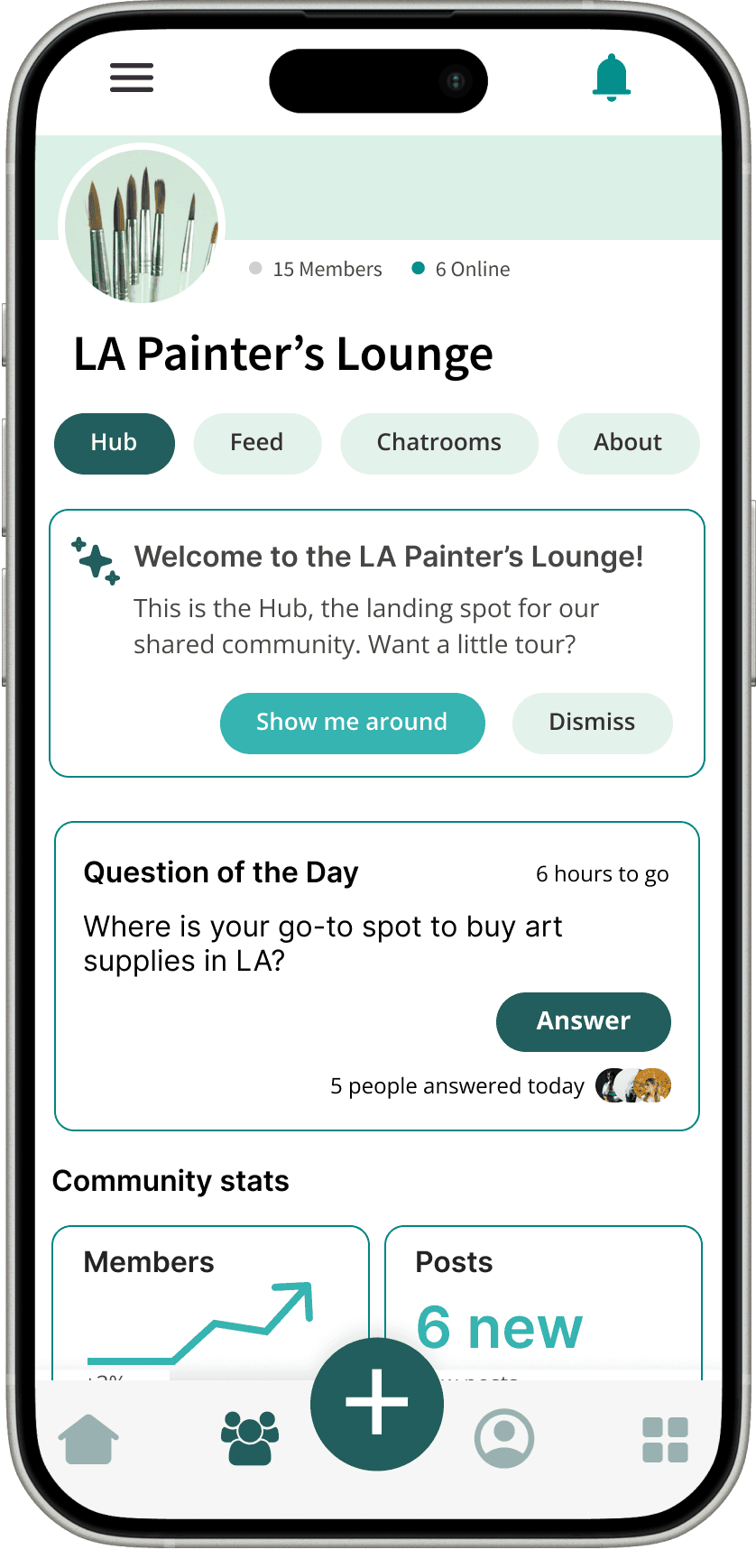
We co-developed a solution: A community landing spot, like a town square, that that gives users a live look into a community
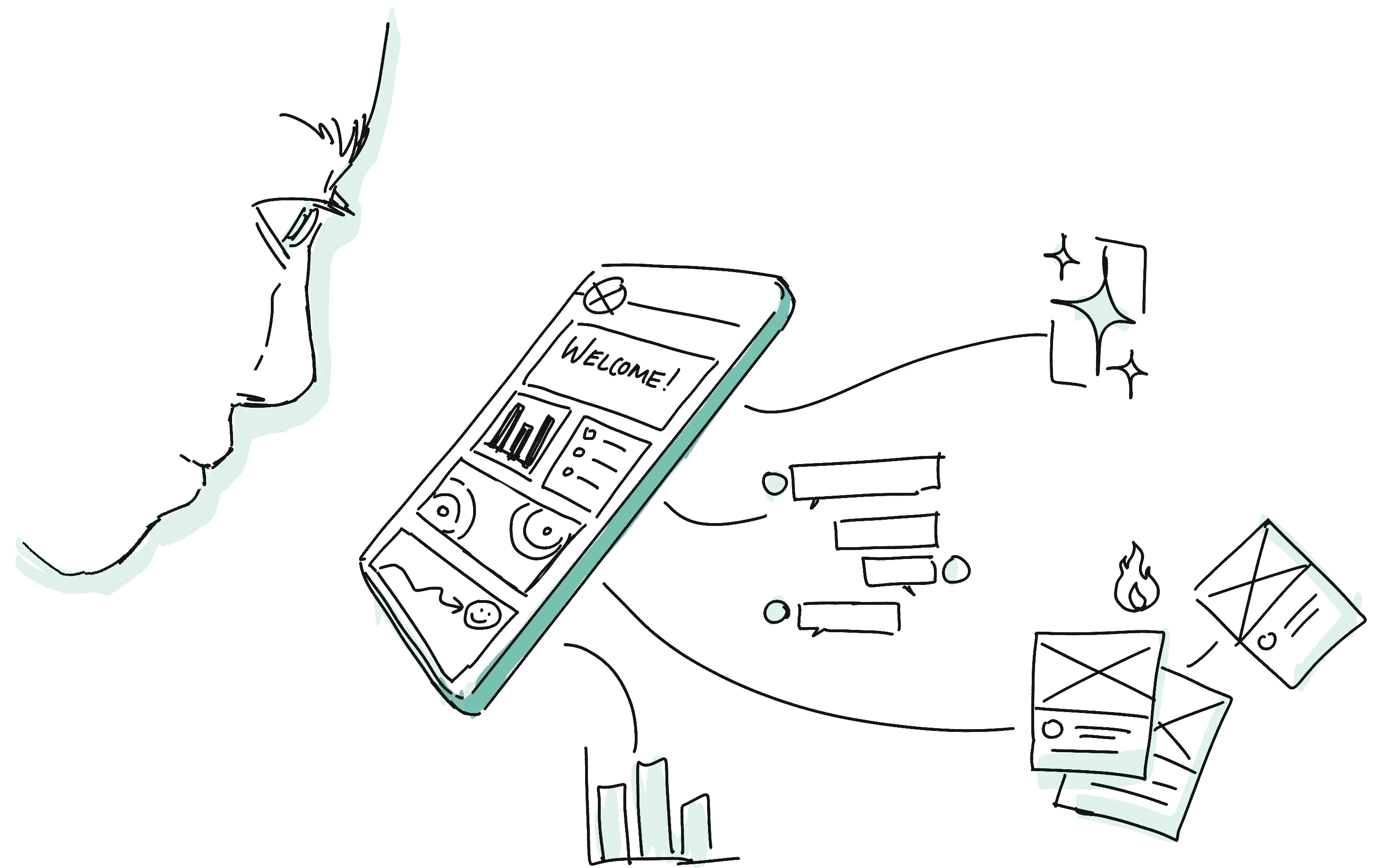
The Hub
Emphasize Belonging
Users receive a warm welcome from the Community's AI
Foster Trust
Users get an actively updating snapshot that provides evidence of activity, including:
Community stats
Popular content
Live activity
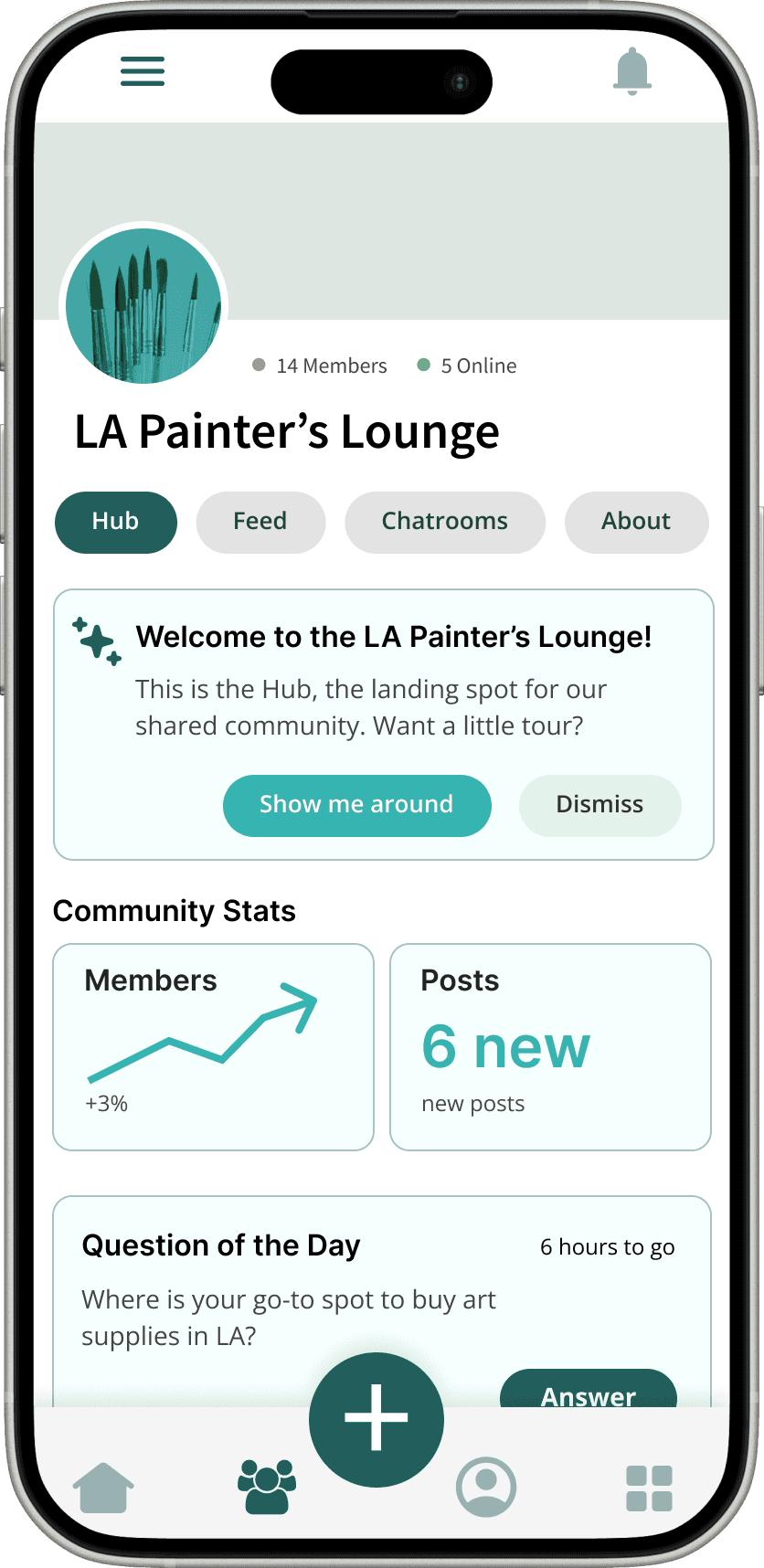
The right type of interaction
A variety of low-effort, guided interactions allow new users to join in without pressure:
Question of the day
Poll of the day
Innovative feature
Prototyped feature
The Differentiator
Another issue: There's a gap between joining an online community and developing lasting friendships
Social friction
Users desire friendships but hesitate to initiate engagement due to fear of rejection
Interpersonal trust takes time
This typically take months of interaction to build trust online, and many users do not feel comfortable reaching out or direct messaging without safeguards
Asynchronous interaction lacks impact
Users feel less connected through public, asynchronous commenting than through direct, real-time conversation
But what if we could bridge that gap and help users connect now?
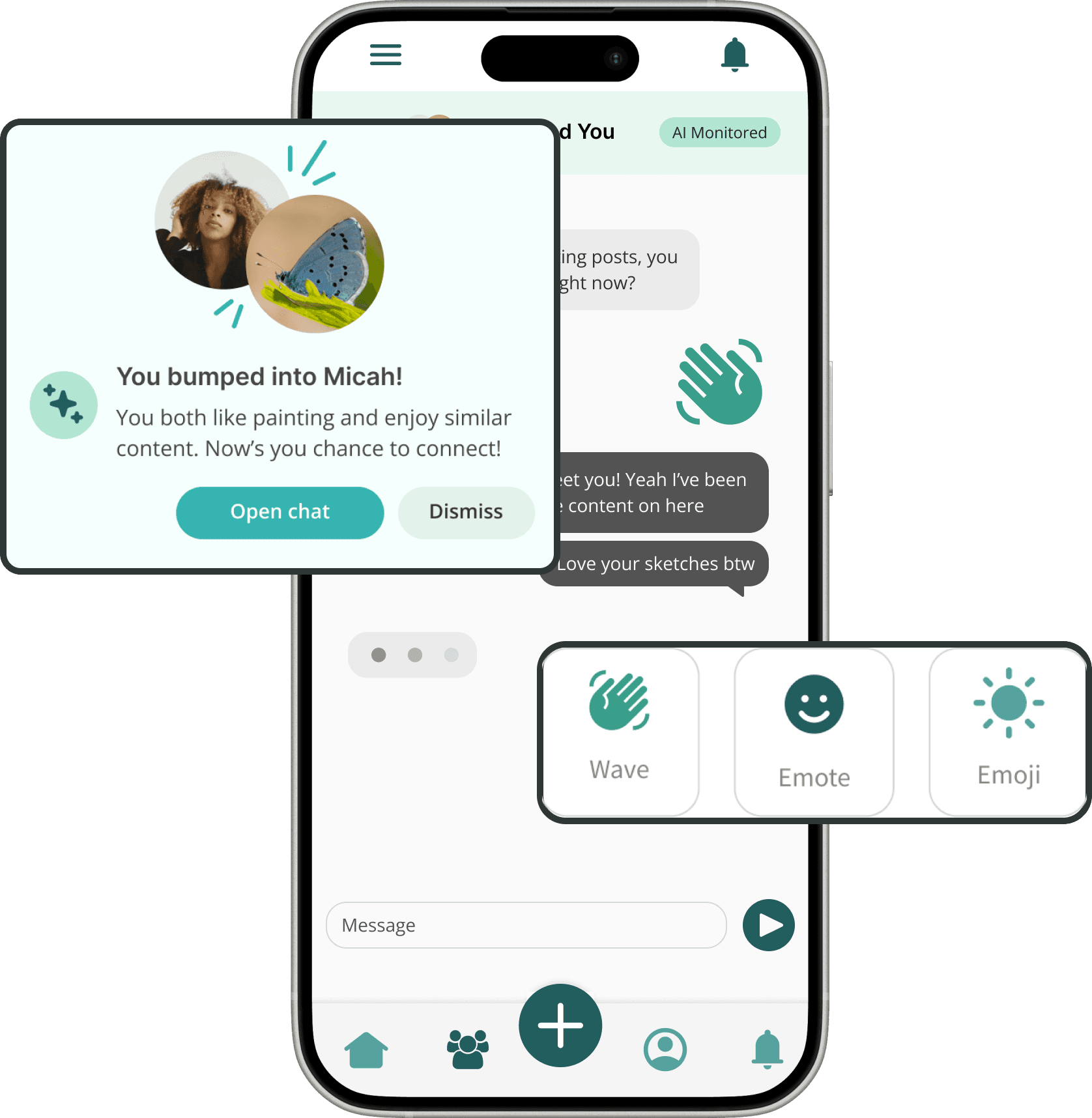
Bumping is an opt-in feature that provides AI-facilitated nudges to connect directly with other members of the community
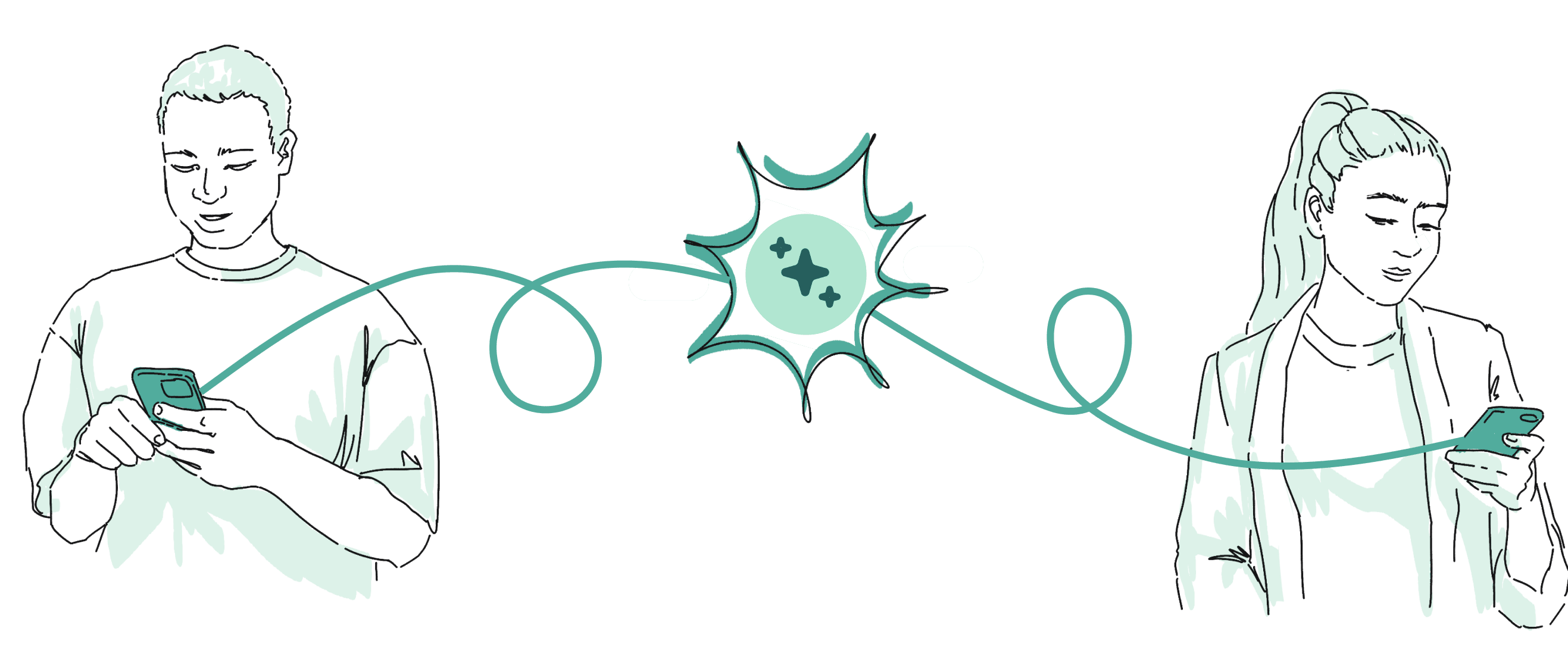
The initial Bump
Once opted-in, the Community AI will cross-reference you interests with other users, and "Bump" you into each other when you're both online
Emphasize Belonging
Users expressed sometimes needing more help gaining the courage to engage. Bumping gives that extra nudge
Foster Trust
Bumping is a "sign-of-life," and direct proof that other people are in the community, seeking connection
Chatting via Bumping
After you Bump, one option is to start a chat with the user. Connection happens much quicker in 1-on-1 conversations.
Trust and safety
When a Bump turns into a 1-on-1 chat, it is AI-monitored for safety until both parties dismiss the AI
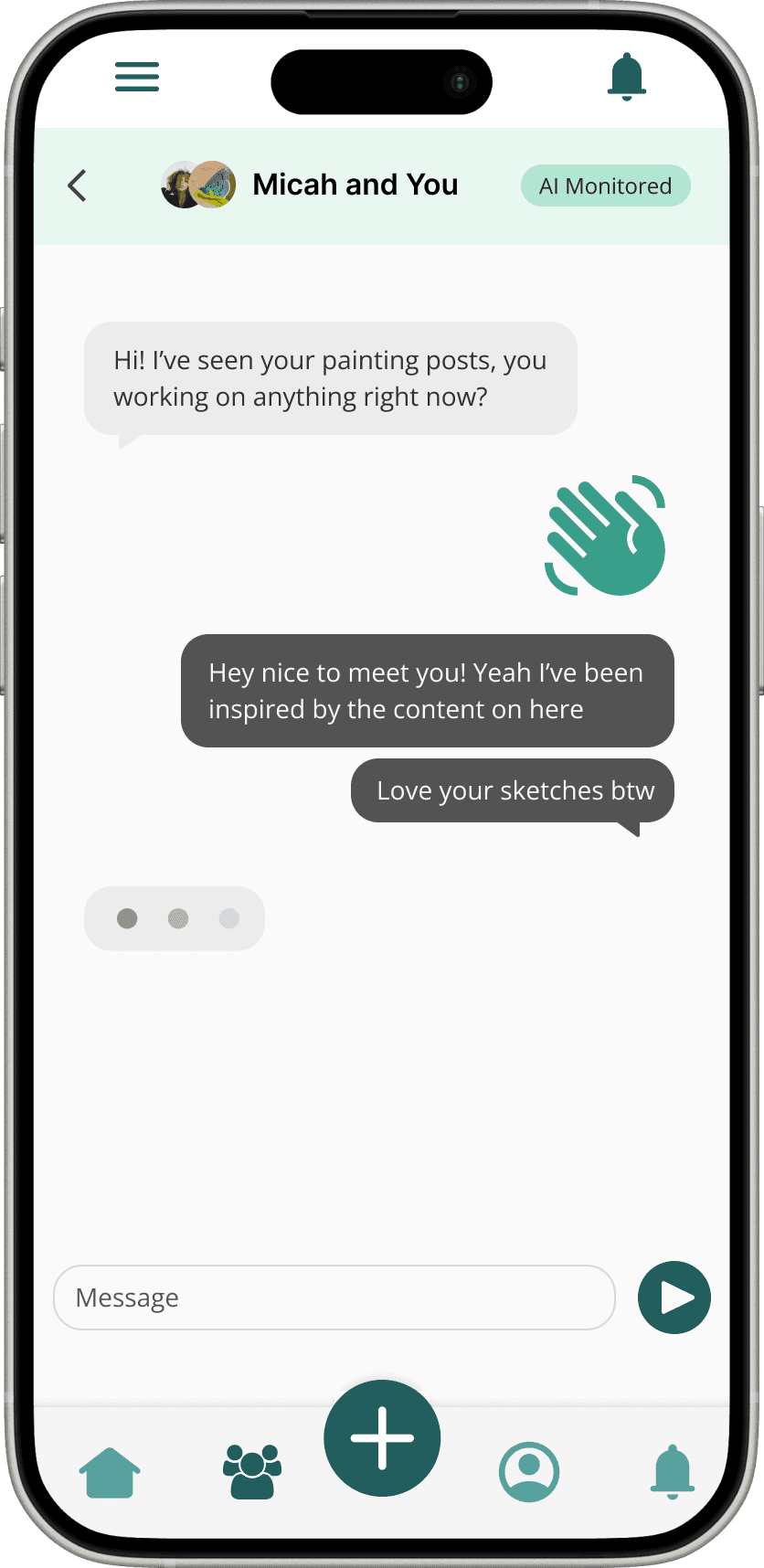
The right type of interaction
Smaller chats are where the real bonding occurs.
Users were very intrigued by this feature, but it must be implemented with care
I would not ship this feature without further research. Bumping requires full transparency about how the Community AI uses user data. Users need clear control over Bump frequency, privacy, and interaction types to feel comfortable.
With thoughtful design, Bumping could accelerate lasting interpersonal connections in online communities.
"Authenticity is possible in online spaces. If people talk or communicate or share about themselves long enough, you will learn who they are."
Source: User interviews
Through completing thorough UXR prior to product development, my team and I saved approximately $20k-40k of development effort
User impact
By bringing the community into design, I ensured their voices and experiences had the most impact on the final product.
Business impact
Established core features of the app
Defined market differentiation
Delivered a long-term, strategic vision
Additional AI learnings
AI should be used to facilitate human-to-human engagement, not replace it
AI Transparency is huge. Users want to know where AI is involved, what it's doing, and how it's using their data
AI + Gamification had extremely mixed results, with some users enjoying it, while others found it felt manipulative. Due to this, overtly gamified elements were removed
No pop-ups please! Users hated the idea of any type of regular pop-up, so AI alerts (including Bumps) were embedded in-page instead
Final notes
Overall
This project challenged me in balancing immediate client requests with the need for thorough UX research. This is something I encounter frequently in my work, and aligning stakeholders and while ensuring research rigor is a skill I continue to refine.
Co-creation workshop: My main takeaway is that participants always want more time. The more clear the agenda and timeframe, the smoother the workshop.