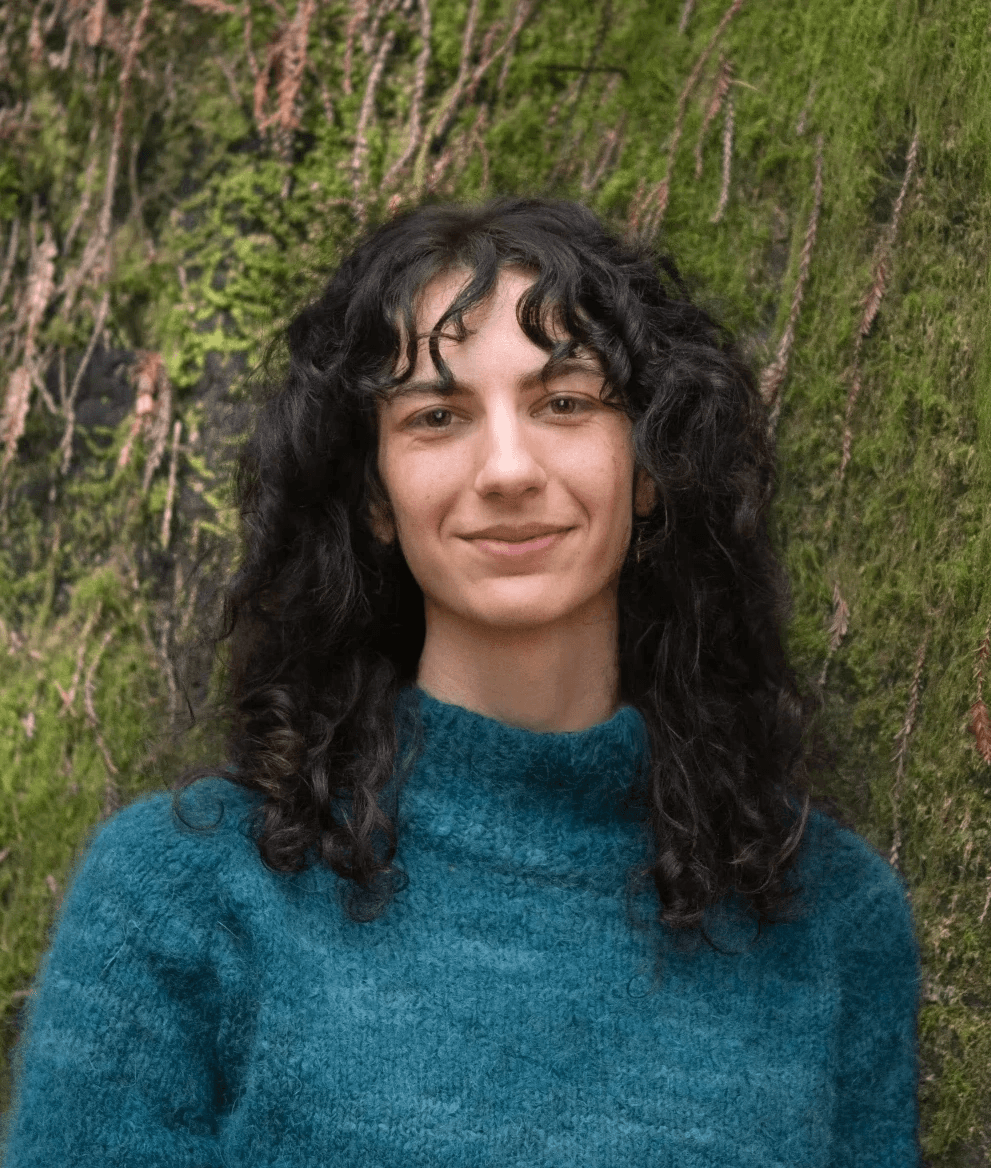
Matea Montanaro
A bit about me
I am driven by a deep curiosity towards the workings of the world. This created a love of science, design, and human behavior. UX conjoins all three: analytical thinking, creative problem-solving, and understanding people.
That curiosity led me to study Sustainable Environmental Design at UC Berkeley, where I examined how humans behave in the spaces they inhabit and how those spaces shape them in turn. I carried these techniques into the digital world, and today I help organizations understand their users, who they are, and where they could be.
I have a Master's in Human-Computer Interaction, and continue to push the boundaries of how user research can inform better experiences. My favorite tool is curiosity, and I am forever finding new questions worth asking.
What to expect from me
Bringing momentum
I've been told I have "get-it-done" energy. I love digging into complex systems, finding clarity, and keeping things in motion until the work is done well

Centering on people
I let research do the talking. Design principles take you far, but the most useful insights are context-specific, and those come directly from users and their data

Aiming for max impact
I always keep outcomes in mind. Business and user impact must be key considerations from day one, or research risks loosing value
Want to collaborate? Get in touch here.
In my work
I routinely explore new ways to collect, interpret, and synthesize data to provide the most well-rounded and informed insights. My latest exploit is up-skilling on AI for big data analysis and visualization, including ethics, limitations, and query best practices.
When problem-solving, it's important to look at the situation from multiple angles. This means checking numbers, observing behavior, listening to people, and building context through secondary research. The more layers you add, the stronger insights become. All emerging discoveries are treated as hypotheses to be proven wrong, and I challenge assumptions before moving forward with a recommendation. If the data isn’t there to support it, I won’t ship.
Equally important to insight analysis is the communication of those discoveries. Visual communication is a huge part of my work. Whenever possible, if I can consolidate bulky information into a visual, I will. It provides quick comprehension and information retention. For reports and decks, I ensure each team gets the information they need to move forward, without overloading them with extraneous context (no matter how excited I may be about findings).
I don't stop there. Past research, I work with organizations to build a holistic understanding of their systems and turn insights into strategic recommendations through collaborative input, opportunity mapping, and cost-benefit analysis.
Overall, I'm interested work that genuinely makes the world better, for the people in it, and the planet they depend on. If that sounds like your organization, reach out above.
A peek at process
At the highest level, my process is as follows
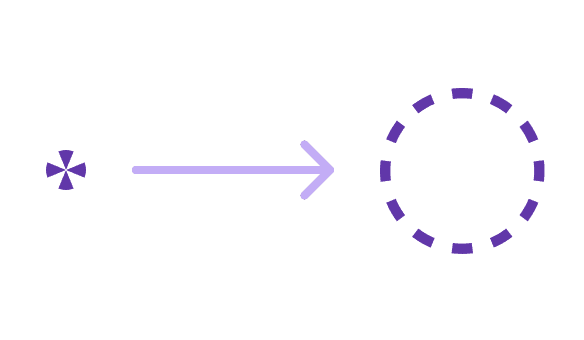
Develop an understanding
Map the problem space including the people in it, risks, and opportunities.
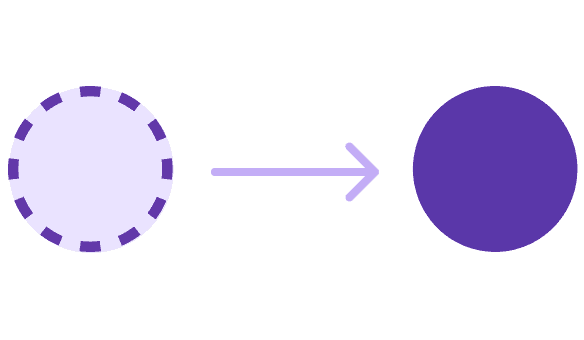
Polish the understanding
Keep learning. Challenge assumptions. Close knowledge gaps. Prioritize.

Act on that understanding
Act with intention.
Keep decisions all traceable back to evidence.


Repeat
Stay curious.
Circle back as many times as needed.
Industry experience
NGOs
Environmental sector
Healthcare
Education
Community platforms
Biotech
Education
Masters of Human-Computer Interaction
UC Irvine
Bachelors of Sustainable Environmental Design
UC Berkeley
Additional Certifications
AI for EdTech, Learnquest AI
Certificate of Design Innovation, Jacobs Institute
Outside of UX, you'll likely find me
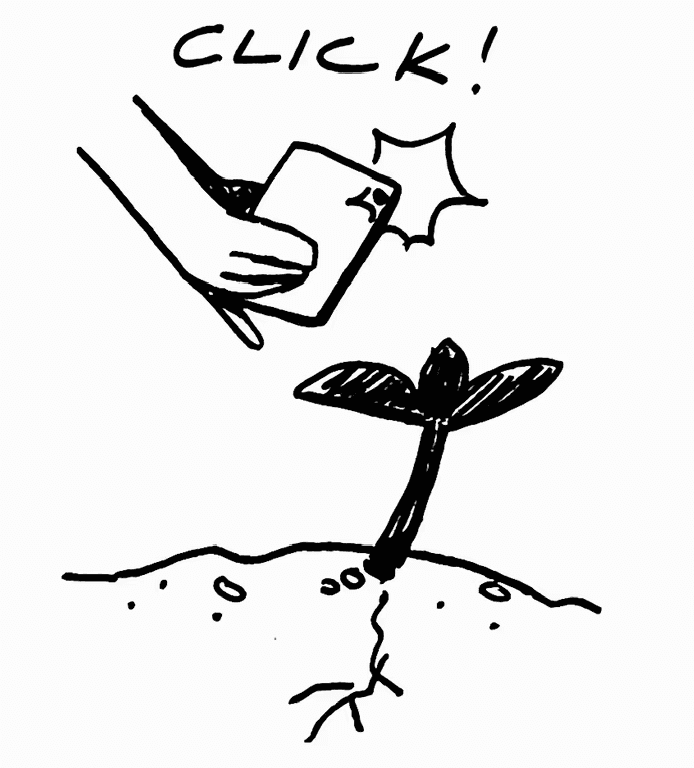
Taking bad photos of plants
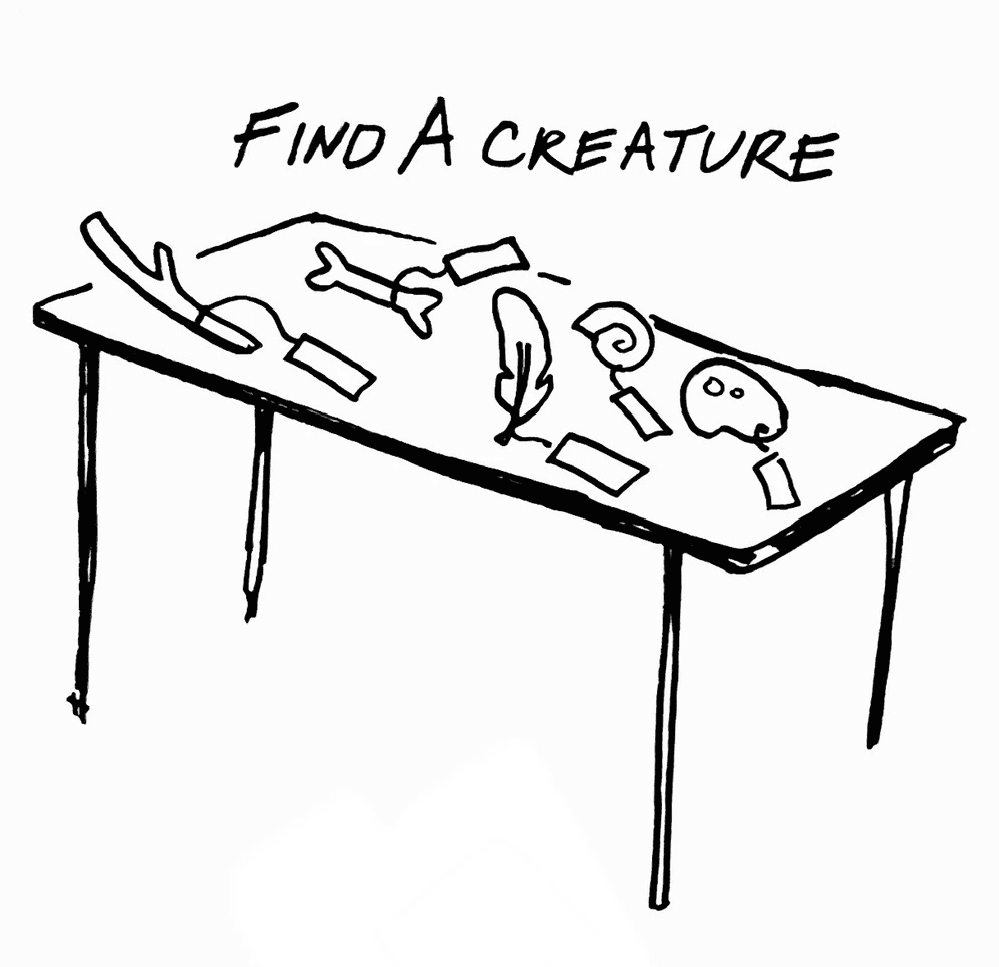
Planning environmental education projects
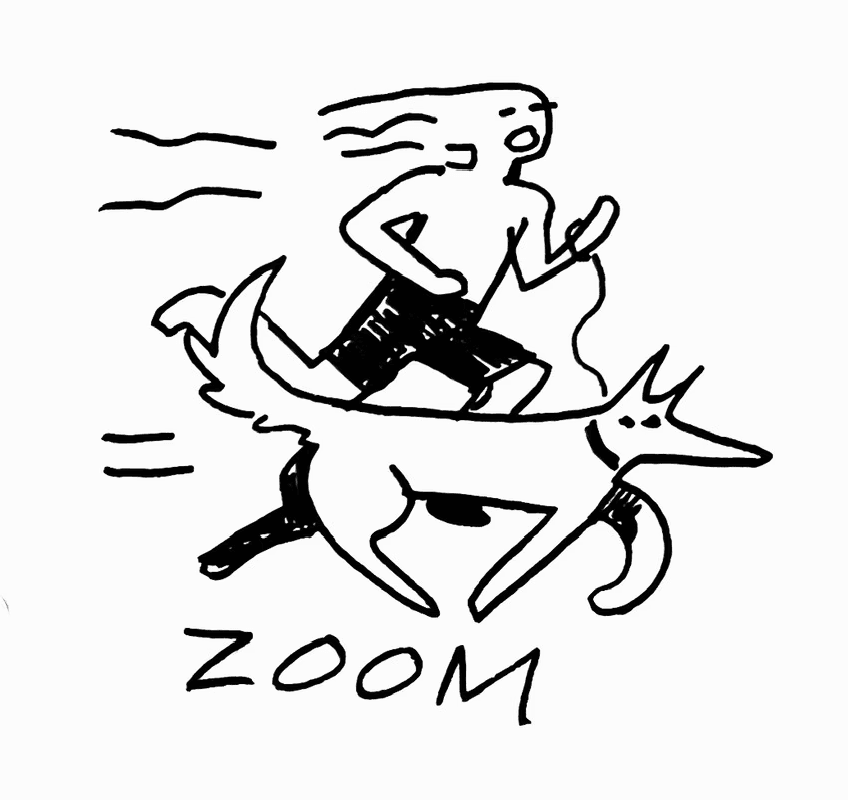
Running with my highly energetic dog