6 min. read
Transforming research into approachable visualizations for an HCD book
Methods
Heuristic evaluation
Competitive analysis
Card Sort
Qualitative usability testing
Quantitative usability testing
Surveys
UXR
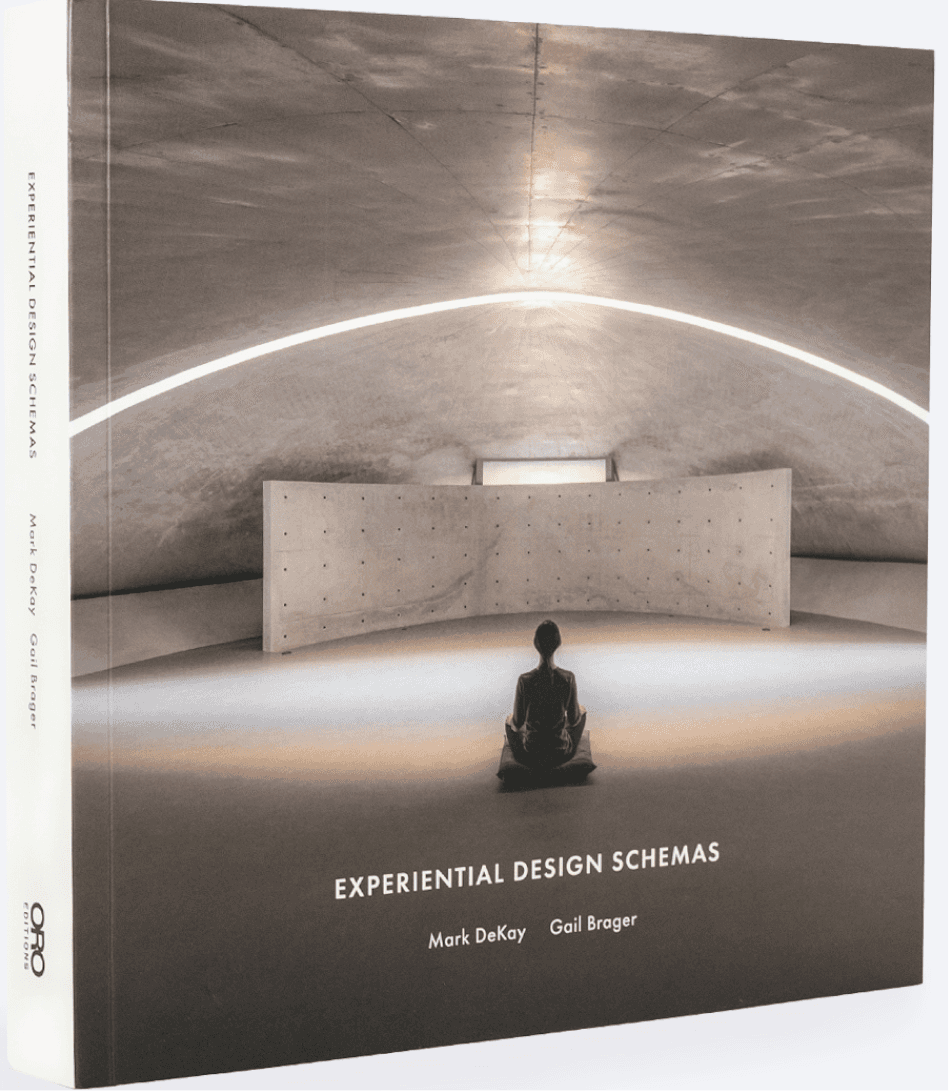
At-a-Glance
I completed research analysis and visualization for the book Experiential Design Schemas.
I led the creation of over 50 visuals, each a distillation of research surrounding human-centered design in the built space.
By adding visuals I simplified and articulate complex concepts, opening the book to a broad audience.
My roles
Data visualization
Research analysis
Timeline
2021-2022
Team
Led by engineer and architect co-authors
3 other team members
Tools
Adobe Suite, Excel, Mural
406 pages
xxx visuals
Experiential Schemas is a research-driven book on designing spaces for enriched human experience
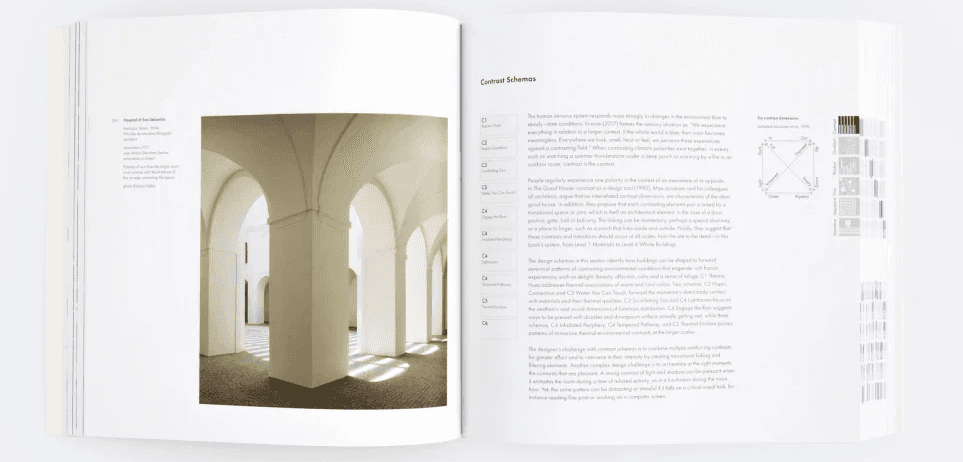
Target audience
Architects
Engineers
Designers
Hobbiests
I visualized never-before-seen concepts, and gave readers tools to better design spaces
This book put humans back at the center of architectural design.
Drawing on substantial research, it articulated ways to use the senses to create spaces that don’t just feel good, but illicit delight.
My role was sourcing research, and translating it into digestible visuals.
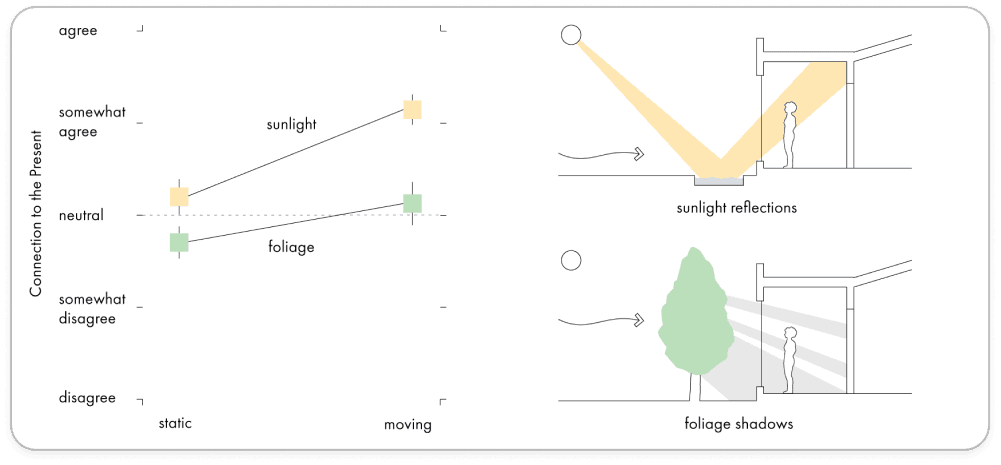
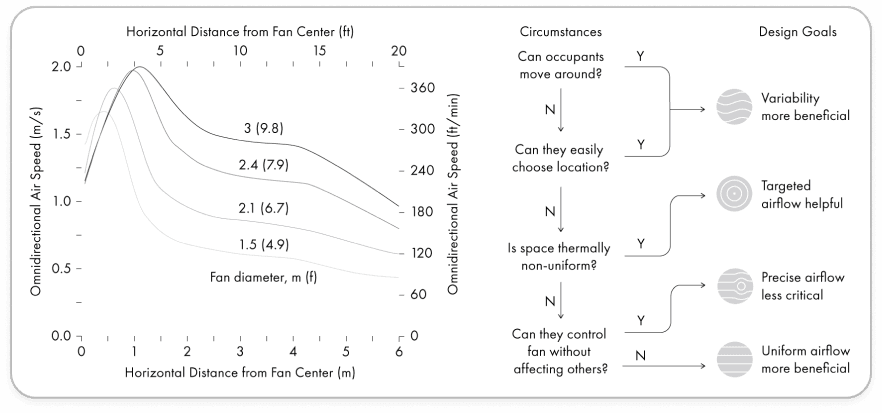
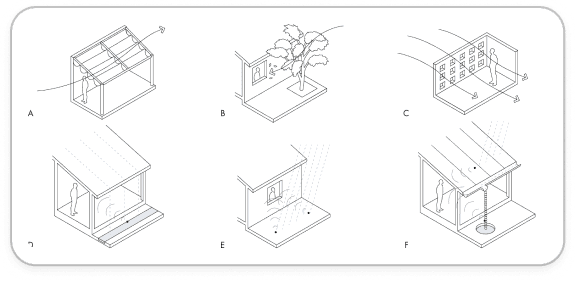
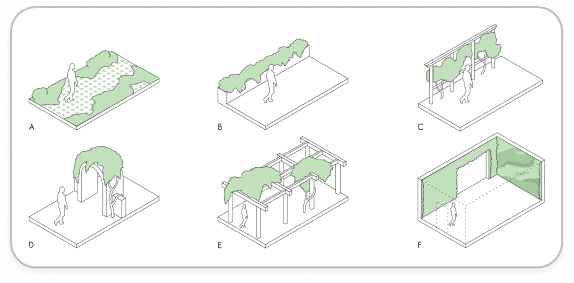
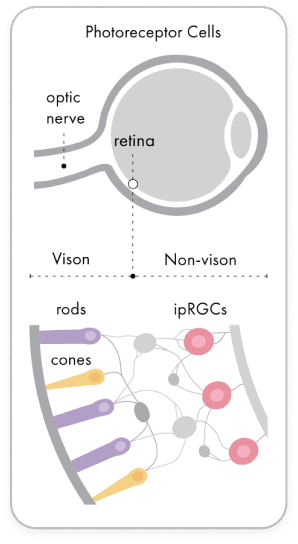
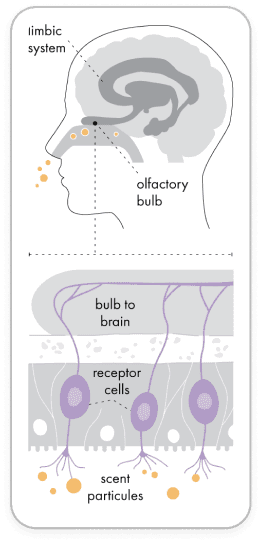
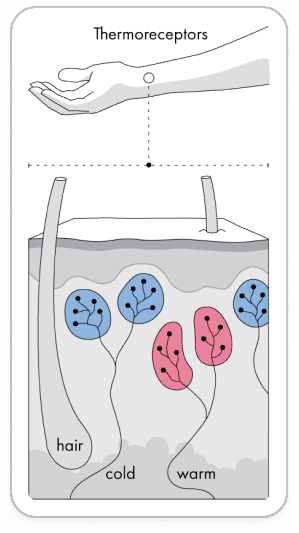
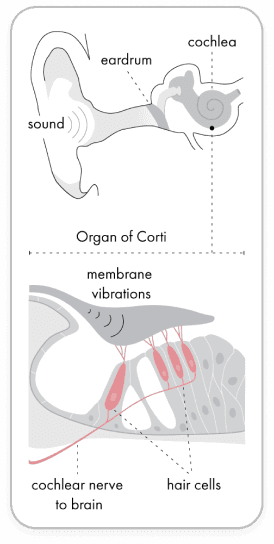
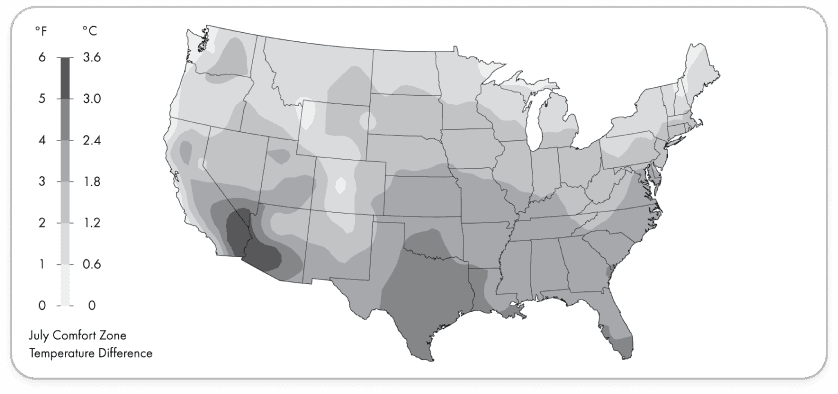
“The graphics, including the photographs, diagrams, and plots, are visually captivating and effectively present the key ideas in an easily digestible manner.”
- H. Jang, reader and reviewer
My process was as follows:
1
Idea formation
Start with new concept, research request, or typological focus
2
Sleuthing
Secondary research and analysis, including any visuals that do exist
3
Iteration
Iterate and review. Frequent meetings with team
4
Approval
Two-step process of final approval
4
Approval - Facilitating alignment
The two-step approval process required finesse, as the authors often had contrasting preferences.
One preferred a minimalist, grayscale aesthetic, while the other favored more color and visual variety. Effective listening, and knowing when to bend vs back up choices was key.
As I iterated on the diagrams and visual elements, I found balance between these perspectives, and helped formalize a cohesive design system that satisfied both authors (and me as well).
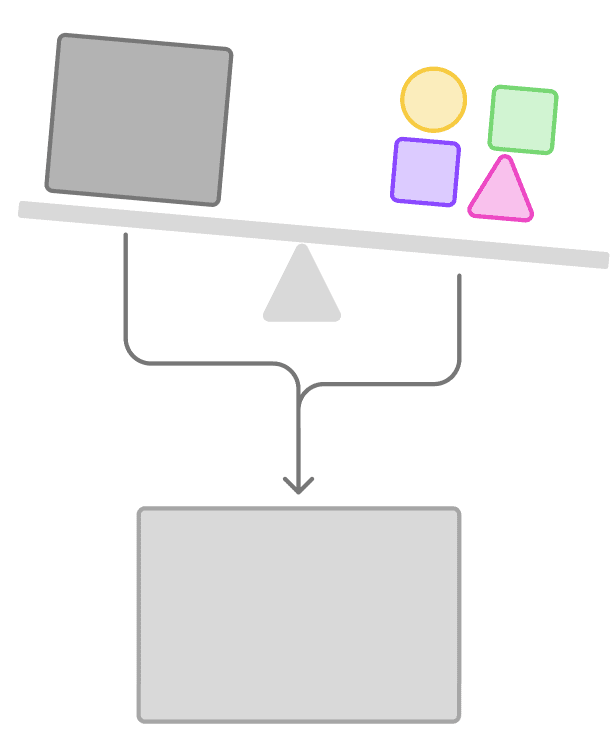
I developed three main types of visuals
Conceptual
Visual representation of theories and concepts surrounding sensory emotional states
Research
Directly visualizing research data through graphs and charts
Typology
Classifying methods of realizing a single concept to affect sensory states
Here's a closer look at one of each type
Conceptual
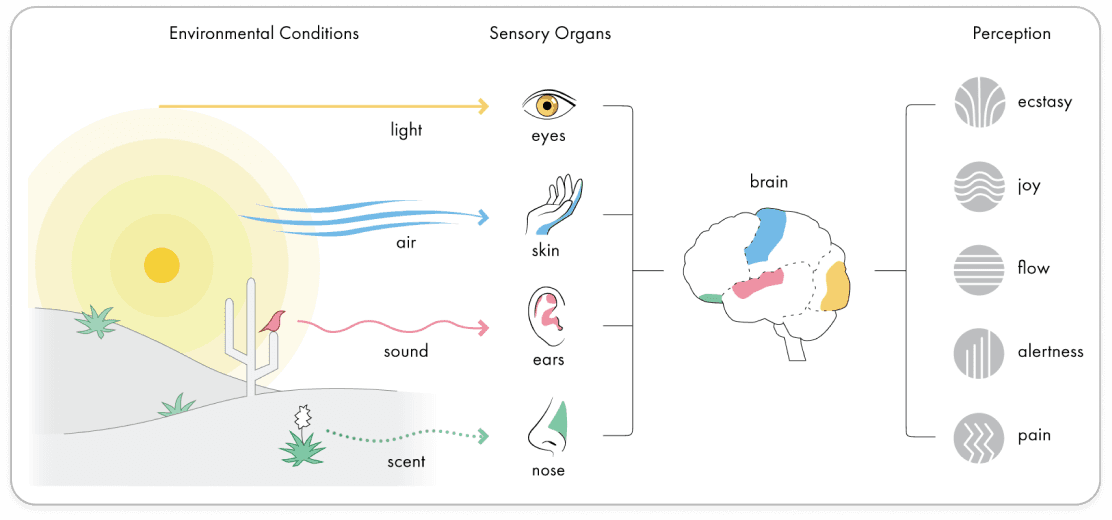
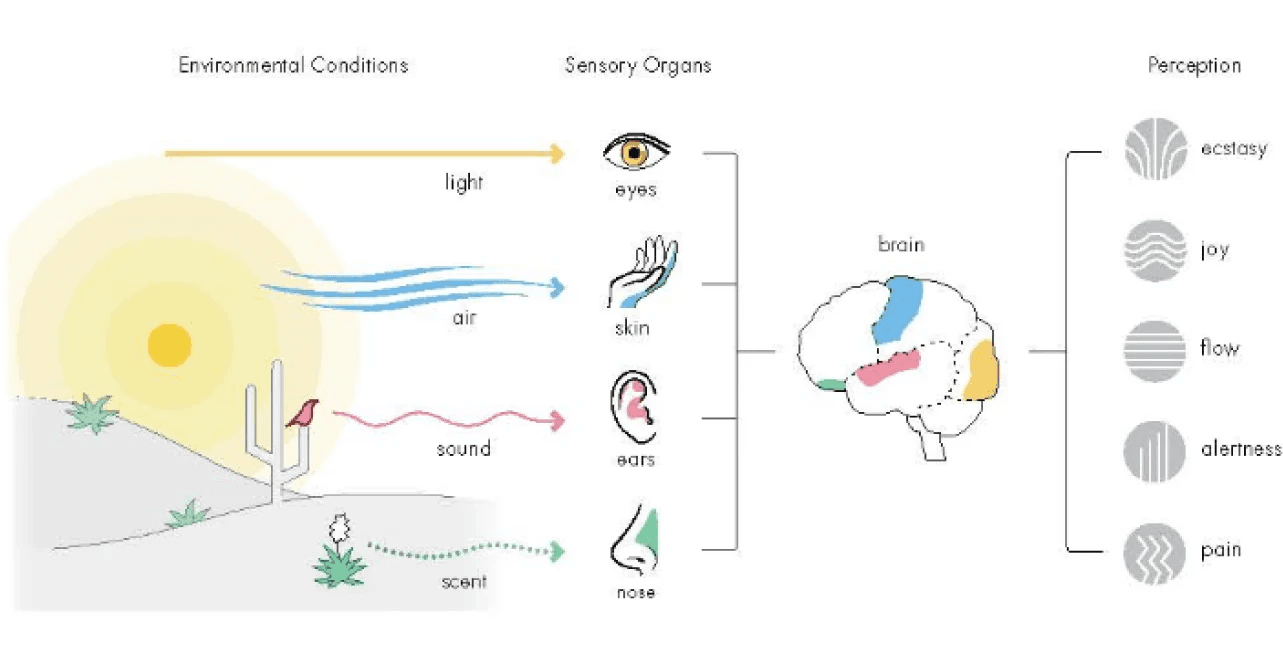
What does it mean to perceive?
Oxford dictionary would tell you it’s: “to become aware or conscious of (something); come to realize or understand.”
This book necessitated more than that. Where does this perception originate? How is it interpreted?
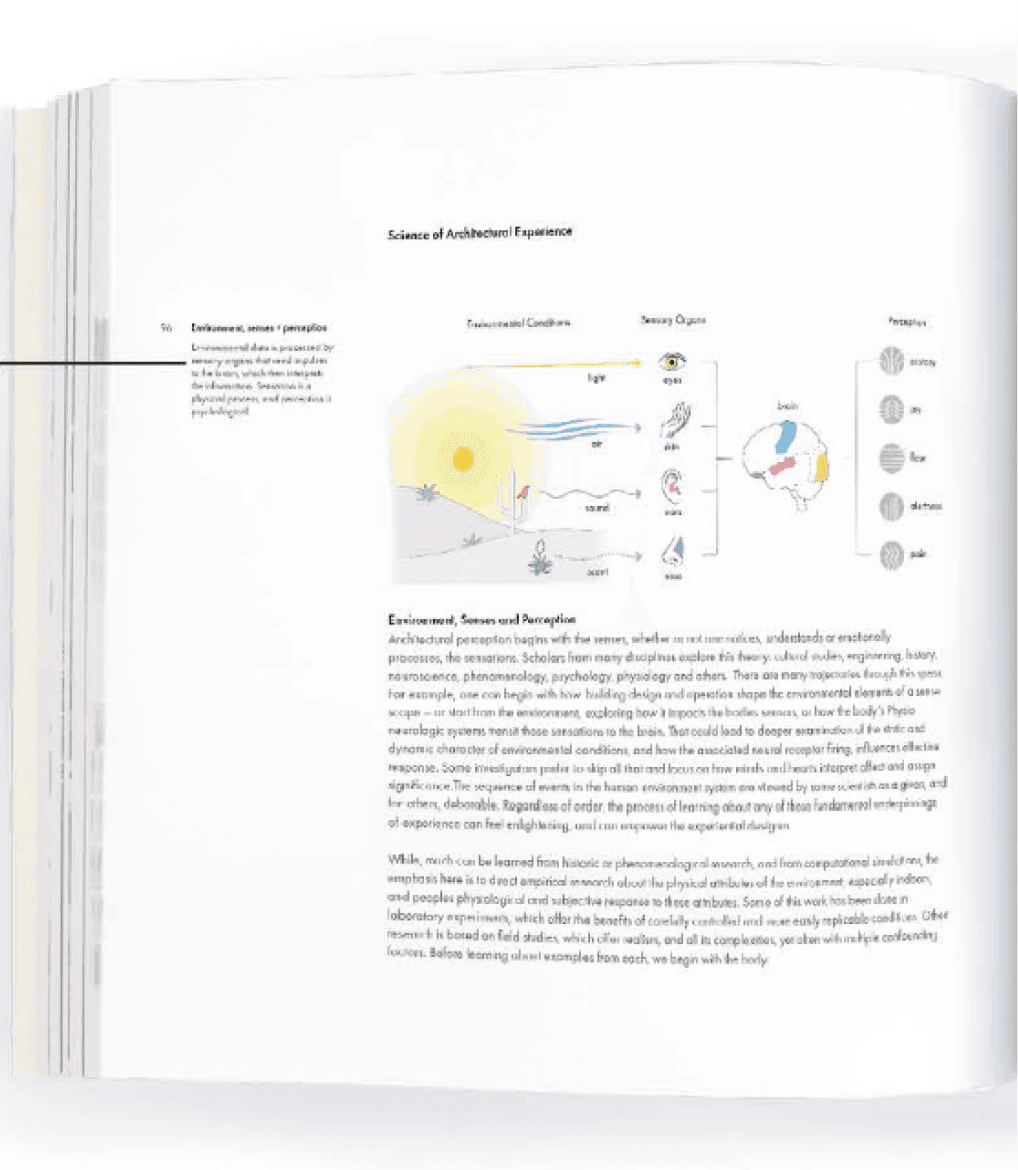
I broke down how sensory stimuli compiles to create the world as we know it
Development process
Formation
Sleuthing
Interpretation
Iteration
Approval
The ask
Create a diagram that articulates the relationship between the environment and human response.
To be used in introductory chapters to establish a reference for sensory-response
Research
Visualizing how color affects humans
Click to the box to change the color styling of this screen.
While you flip through, are you having any particular reaction to the colors? Do any feel too sleepy, or too intense?
By understanding the nuance of a color’s sensory-emotional effects, readers can design spaces with more clarity.
I paired the diagrams below after completing a meta-analysis of color theory and human response research
Color x Emotion
Colors have common associations with specific emotions
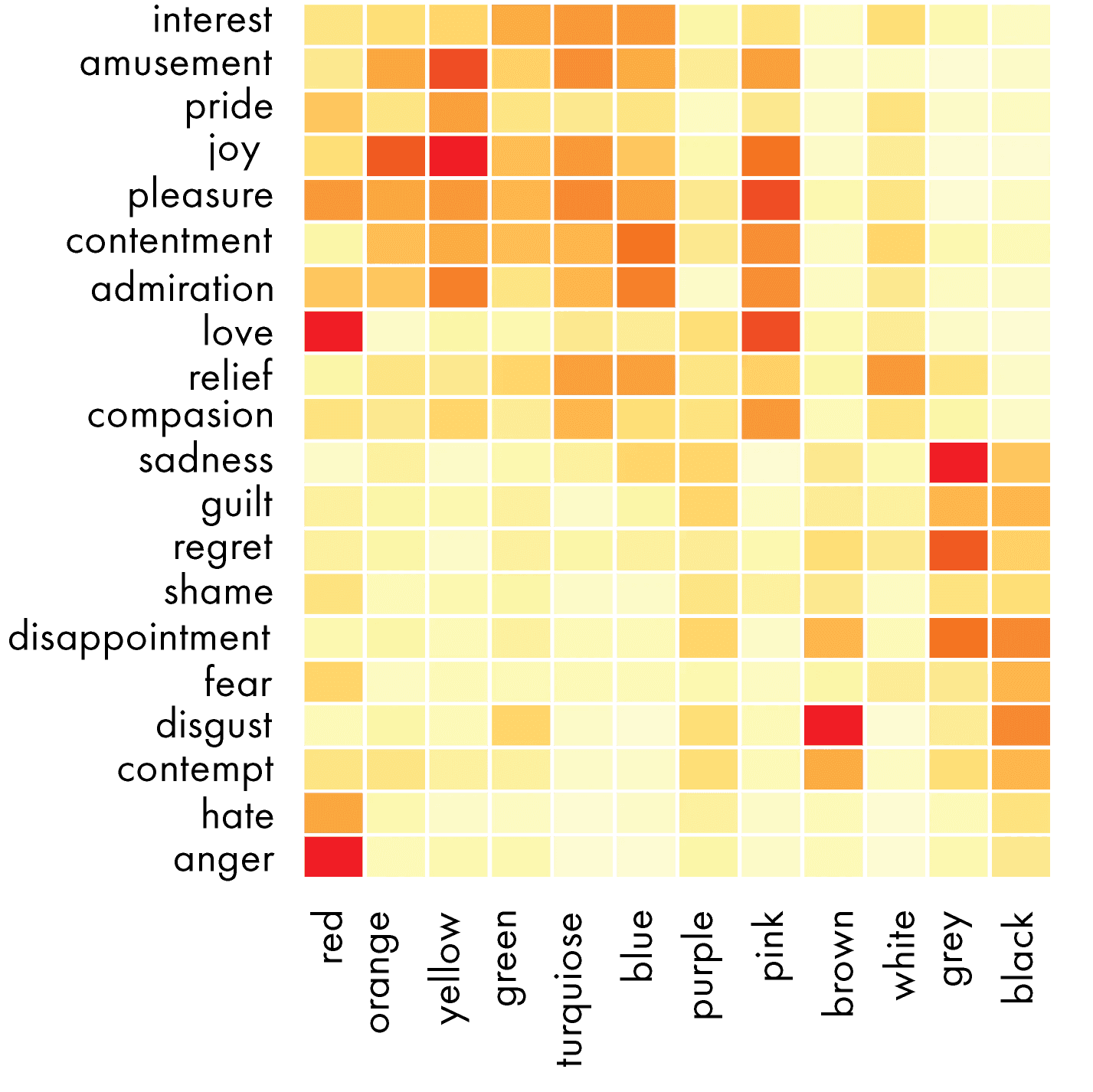
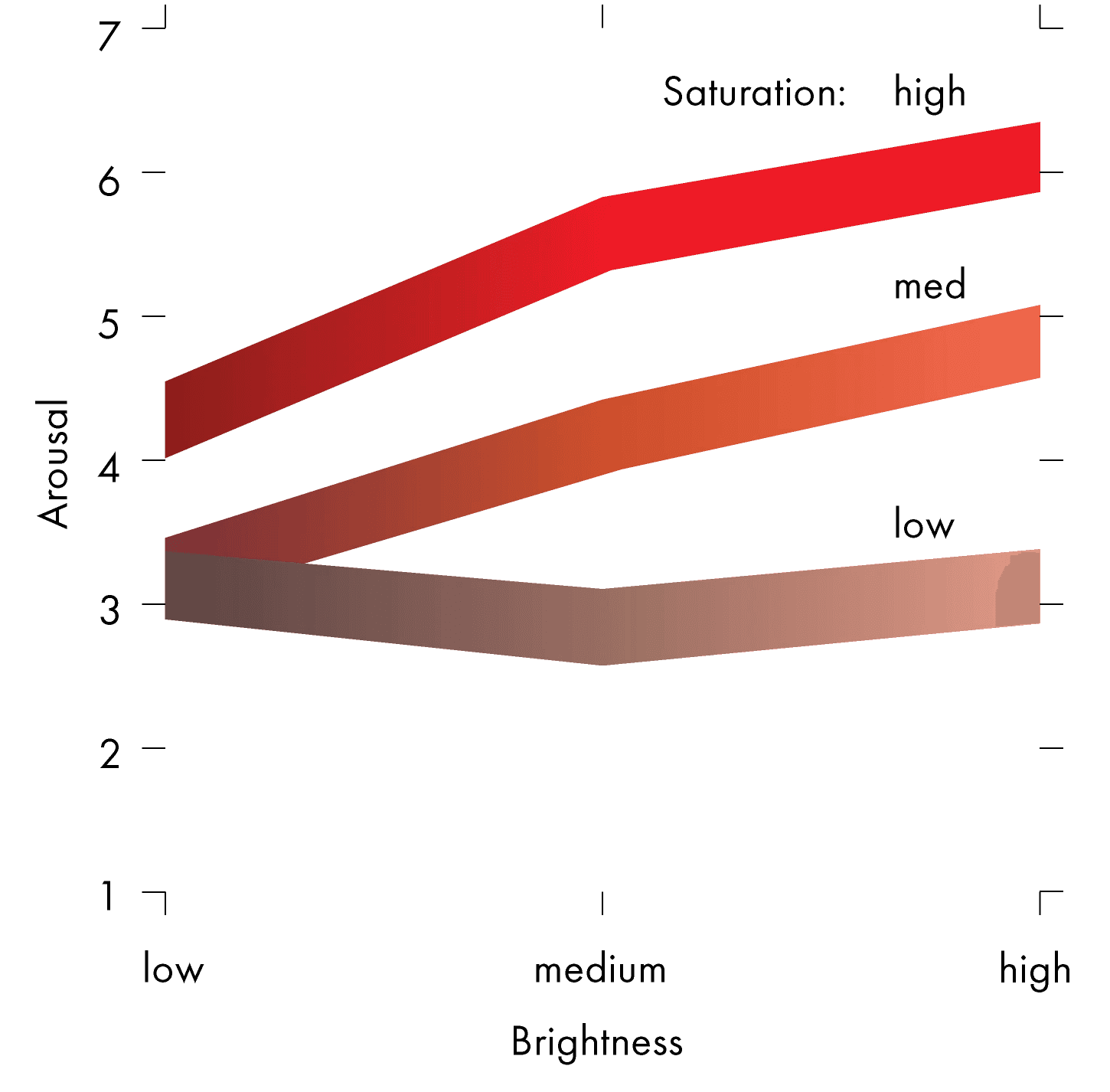
Color x Intensity = Higher Alertness
Adjusting brightness and saturation create significant changes in alertness
Development process
Formation
Sleuthing
Iteration
Approval
The ask
Showcase the nuance of color on human sensory-emotional response
To be used in the section on color and environment.
Typology
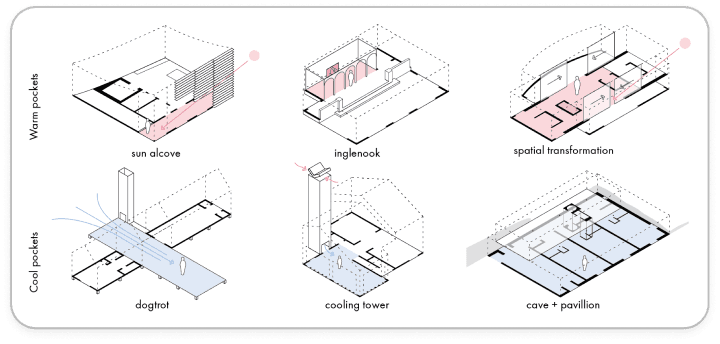
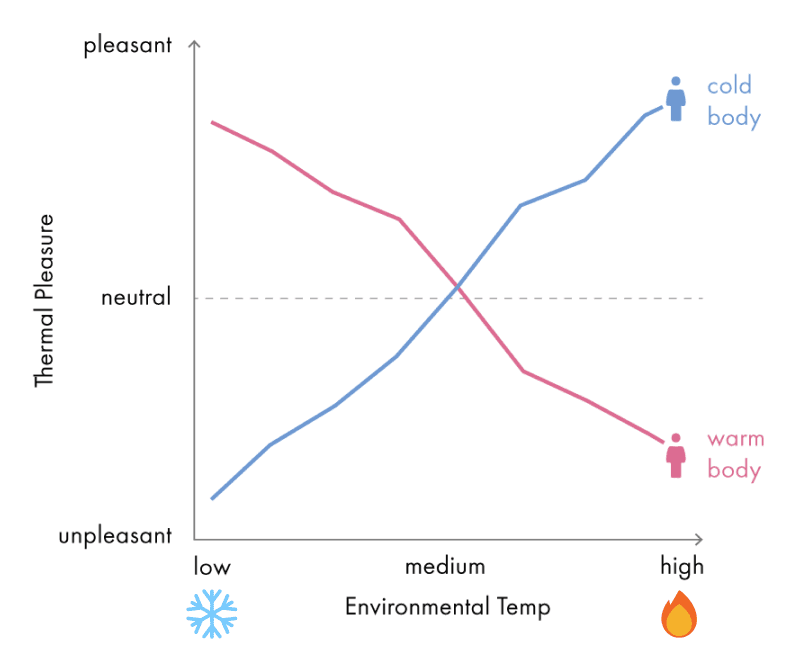
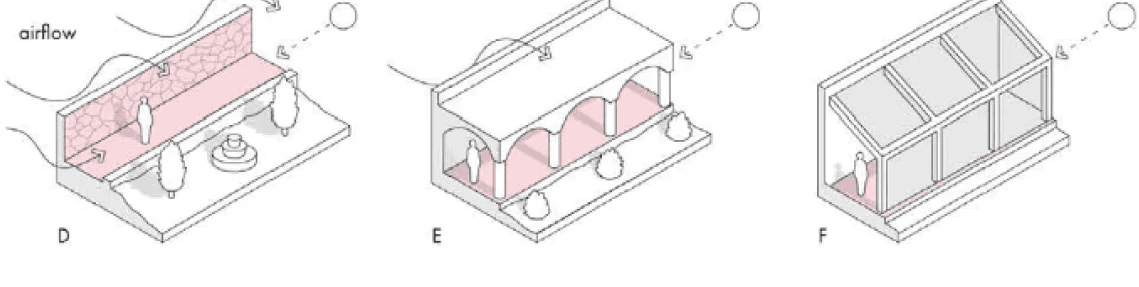
Typologizing warming and cooling moments
You know the feeling of taking a hot shower on a cold day, or stepping into the shade when its blistering? There’s a name for that.
Alliesthesia (e.g. thermal delight) is the pleasure created by strong contrast between body temperature and the environment.
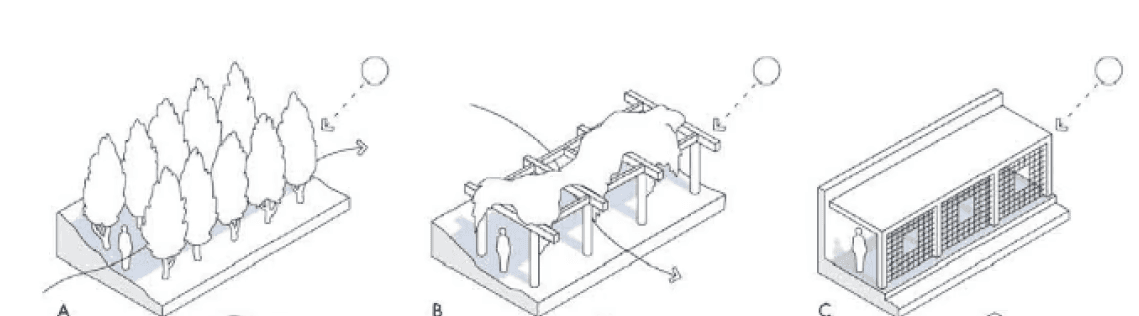
The diagram below captures methods of creating alliesthesia moments in transitory spaces.
Cooling pathways
Allow airflow but block sunlight, providing a cooling contrast in hot environments
Warming pathways
Block wind and use heat-absorbing materials to create warming moments in cool environments
Development process
Formation
Sleuthing
Iteration
Approval
The ask
Typologize warming and cooling moments in outdoor pathways.
By transforming dense research and abstract concepts into clear, engaging visuals, I opened the book to a wider audience and reinforced its goal of designing built spaces that genuinely serve human experience
Final notes
Many of the items I researched and visualized are applicable beyond the built space, and have stayed with me as I expanded my work into the digital realm.
This project both challenged and cemented my use of visual communication in my career. In UX Research, your data is only as good as you can communicate it to the people who matter.
I continue to use to the sensory-emotional context within my UX work, and will never stop experimenting with how to best visualize a concept
If you would like more info, reach out to me here, or buy the book here >>> Experiential Design Schemas
Other Projects
Coming soon ~

Site built by me © 2026 Matea Montanaro. All rights reserved.